BlogAI
Stop Being Afraid of the Prototype
Coding agents made exploring and rebuilding cheap. How a team of engineers redesigned four UIs, ended an 8½-year migration and rebuilt an app overnight.
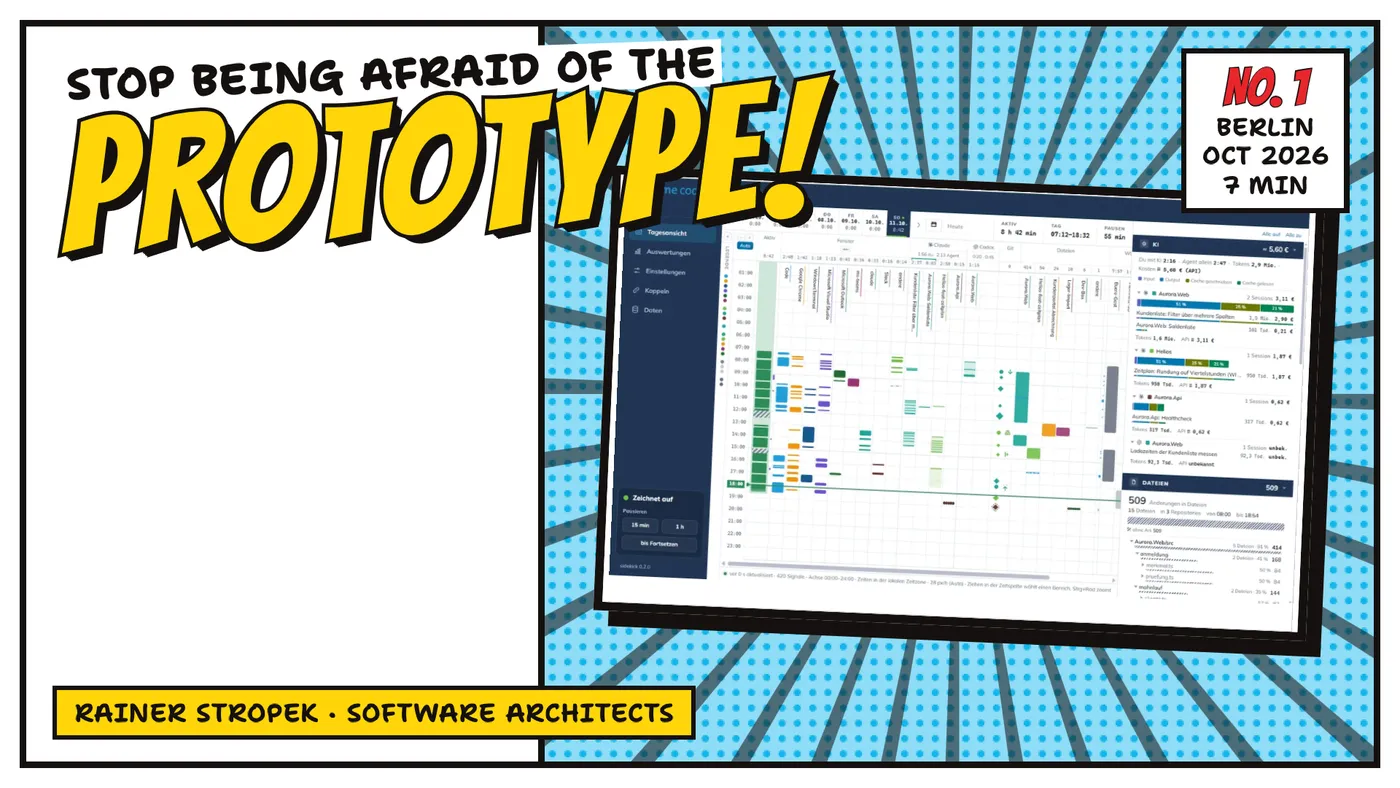
“Don’t build a prototype that looks finished. Sales will sell it.” Most developers have heard some version of this. We followed it for years and built ugly prototypes on purpose, because a polished one could get sold before anyone had time to put it on a solid foundation.
In October 2026 I had seven minutes on a stage in Berlin to explain why we dropped that rule. This article is the long version of that talk; the recording is six minutes long and in German. The short version: with coding agents, exploring is cheap now, and so is rebuilding. That changes how a team of engineers should treat prototypes.
Where we started
We are software engineers, not designers. For decades our team looked like a T: deep engineering in the middle, thin arms for UI, UX and visual design on the sides. Good UI meant hiring a freelancer and waiting days for drafts.
Our code base had its own baggage. The web client of time cockpit, our time tracking product, started in AngularJS in 2014. In 2018 we added Angular next to it and connected the two with @angular/upgrade. That was meant to be temporary. It lasted about eight and a half years: two frameworks, old and new code side by side, and thousands of warnings. We tried to finish the migration more than once and never really got anywhere.
First, we cleaned house
The turning point came with Claude Fable 5.1. Our lead UI developer took a week off from everything else and gave the agent the plain goal: here is AngularJS, here is Angular, get us from one to the other. We had planned that project for a year.
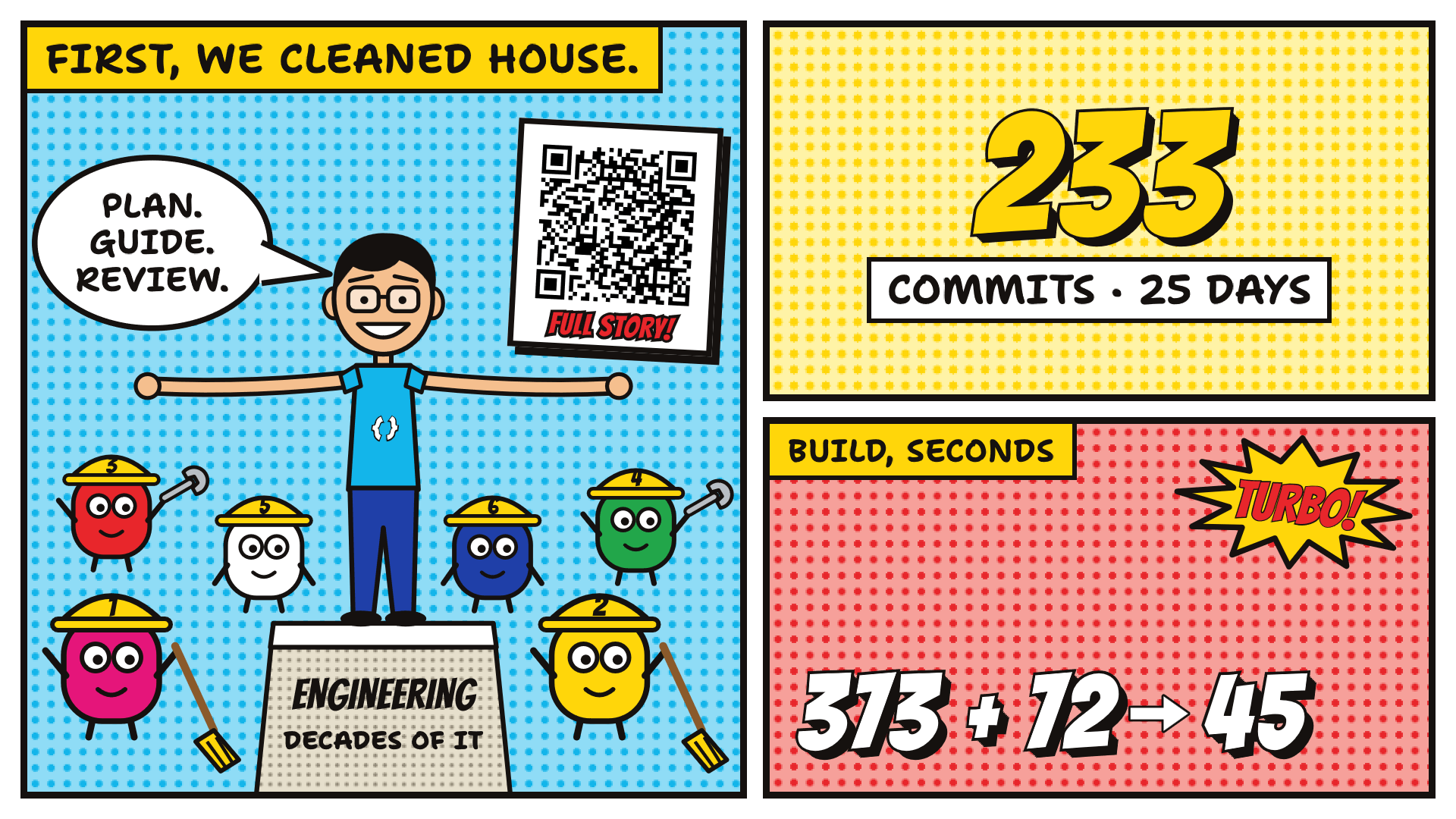
- 233 commits in 25 days. On 20 October we released the first version of the app without a single line of AngularJS.
- Four days of actual development with the agent, for a project we had planned for a year.
- Build time down from 373 + 72 seconds to 45 seconds in total. You can imagine what that means for daily work.
Eight and a half years of putting it off, four days of work. The human role in this was not typing code. It was planning, guiding and reviewing.
Then, design without designers
In parallel to the migration we reworked four user interfaces between 27 September and 12 October: two websites, the time sheet calendar of our Angular app, and our new desktop app time cockpit sidekick. sidekick shows what you worked on at your PC or Mac: applications, files, Git, and AI coding sessions with their costs. It is free, and the data stays local. No designer was involved.
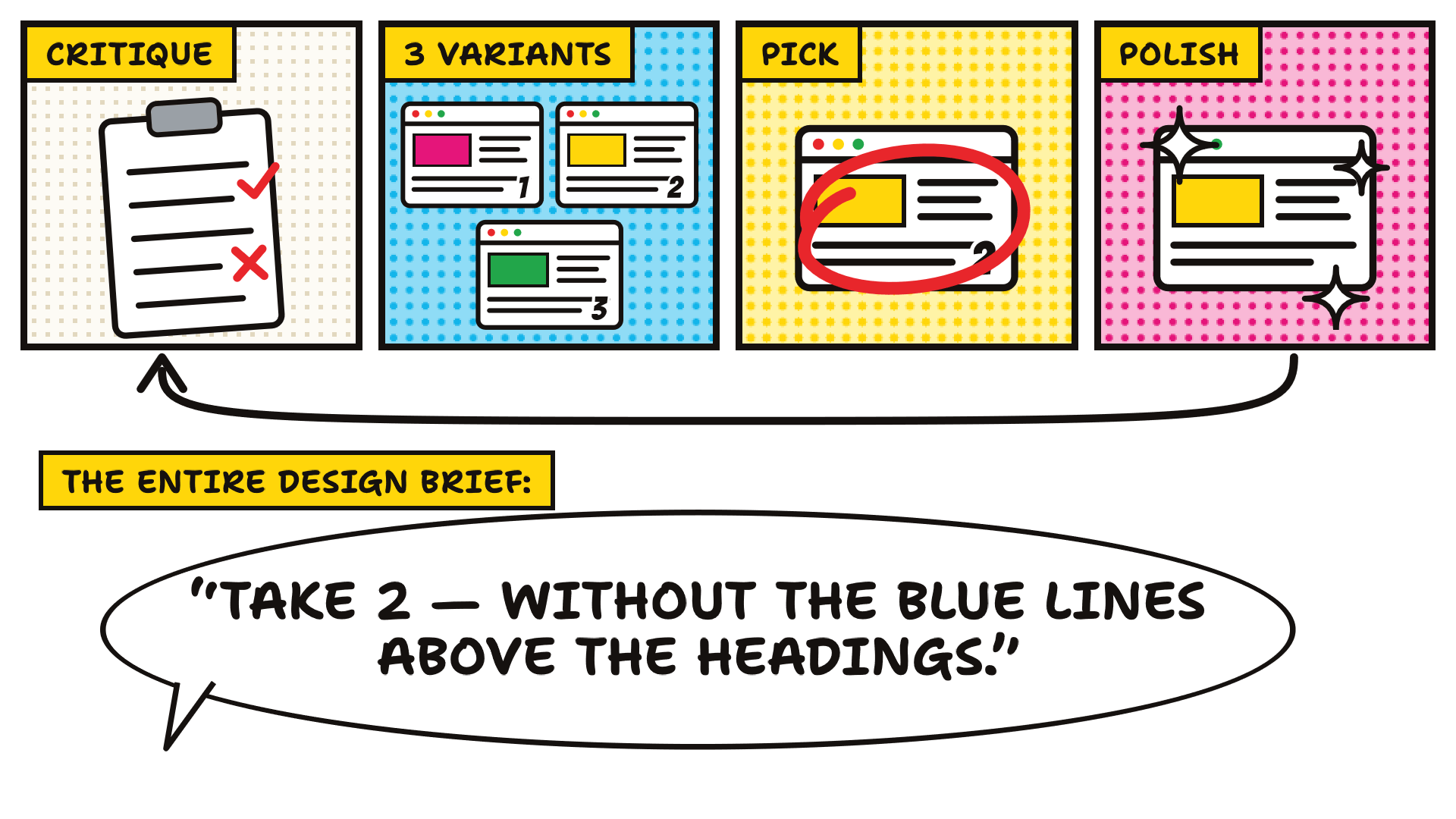
The tool for this was the agent skill impeccable in Claude Code, and the loop was always the same: let the agent critique the current state, generate three variants, pick one, polish it, and critique again. A typical design brief from us was one sentence: “Take 2, without the blue lines above the headings.”
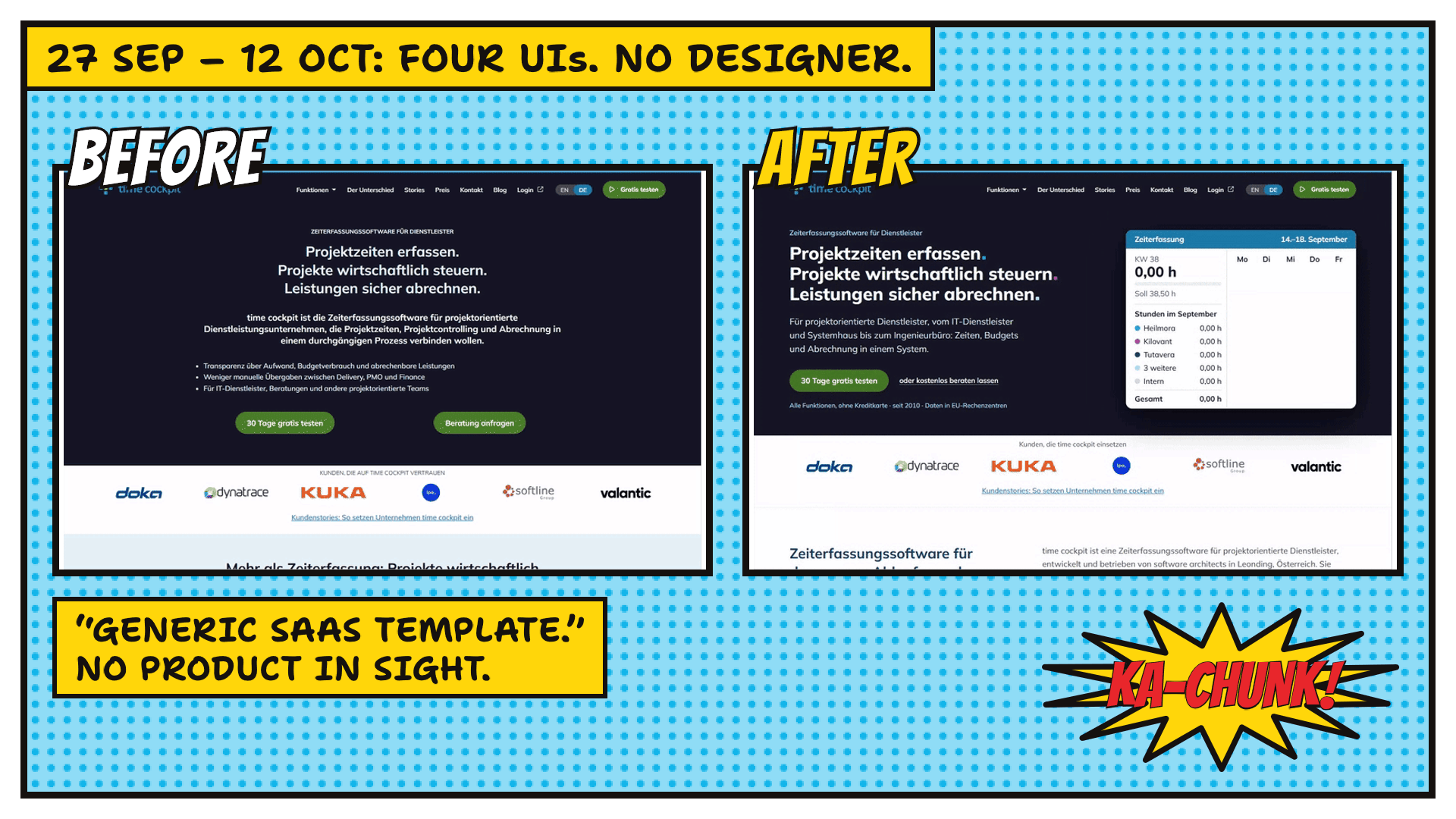
The before/after of timecockpit.com shows the effect. The critique of the old home page called it a generic SaaS template with no product in sight. The new one shows the product right in the hero.
We documented the prompts, scores and limits of that work in detail in UI Redesign with Claude Code and impeccable.
The thin arms of our T got noticeably stronger. Not infinitely, though: for software-architects.com the agent produced three logo concepts, and we adopted none of them. We still work with external designers, but now mainly for the artistic and creative side, where they remain on a different level.
Why the prototype is no longer dangerous
Back to the old proverb. The fear behind it was never the prototype itself. It was the rebuild: once something looked finished, you would not get the time or budget to put it on a proper architecture.
Our new desktop app, sidekick, shows what changed. It started with no spec on purpose. We built pure UI prototypes in Electron and HTML to find out what the app should even be, and improved it step by step. At some point we decided that Electron uses too much memory for an app that runs all day. A colleague handed the agent (Claude Opus) the Electron implementation with one request: by tomorrow I would like to know how this works with C# and Avalonia.
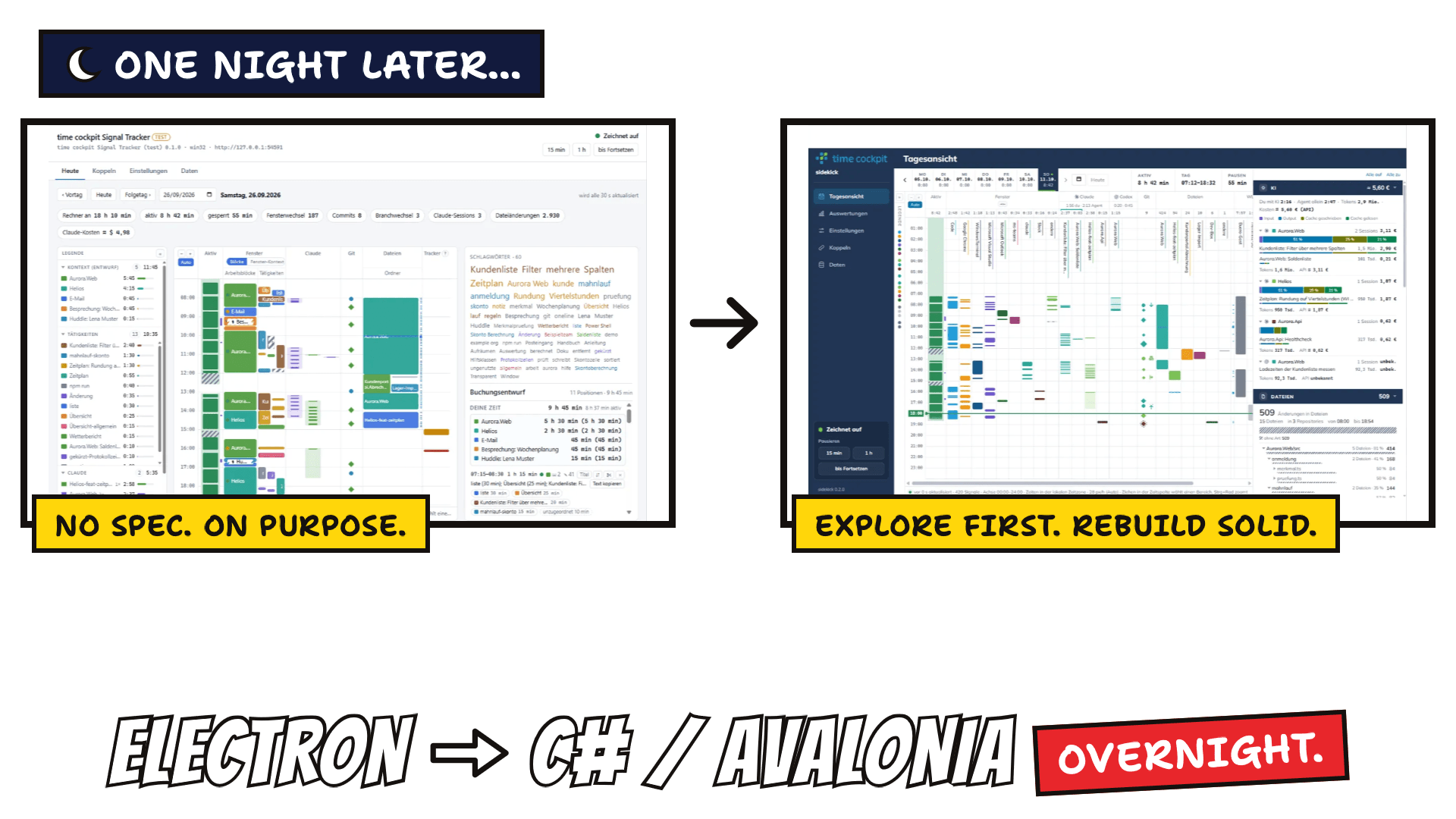
Two five-hour agent sessions later, the next morning, we had a working, cross-platform native app for Windows and macOS. We could start it, measure it, and compare it with the Electron version.
If we find out at the end of this prototype that we want it in Angular, React or something else after all, the answer is the same: the agent rebuilds it. We don’t know our final design or our final approach yet. We need to be able to experiment, and now we can. Instead of building on assumptions, we build prototypes that we discuss with customers and stakeholders, and then we rebuild the version we keep on a solid foundation.
Lead by goals, not by tactics
What makes this work is not a clever prompt. It is a way of leading that the German military tradition calls Auftragsführung (mission command): you give the goal and the reason, and leave the how to the people doing the work.
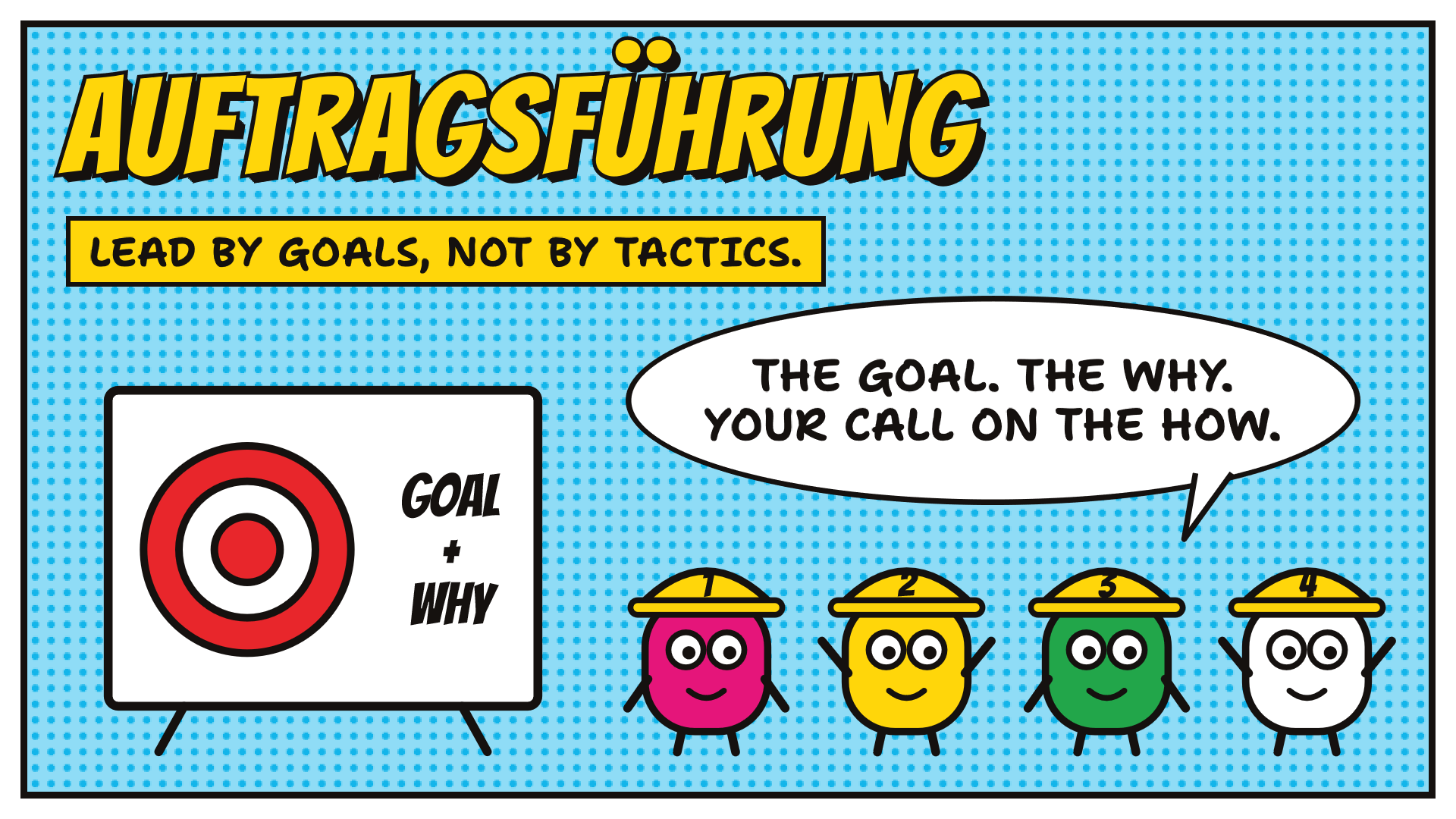
With current frontier models that works for agents too:
- State the goal. “No line of AngularJS left”, not a list of files to convert.
- Explain why. The agent makes better trade-offs when it knows what matters, for example “this app runs all day, memory matters more than startup time”.
- Don’t prescribe the how. Ask for variants and options instead of a single implementation.
- Set guardrails. Quality rules, tests, linting and review define the frame the agent works in. They are what make a fast rebuild safe enough to keep.
The new bottleneck is you
Our daily work looks different now. On a typical afternoon, one agent works on sidekick, one reworks the website, one turns an animation into an illustration, and one works on search engine optimization. We hardly write code ourselves any more. We switch between the agents, answer the one that needs a decision, and review what is ready.
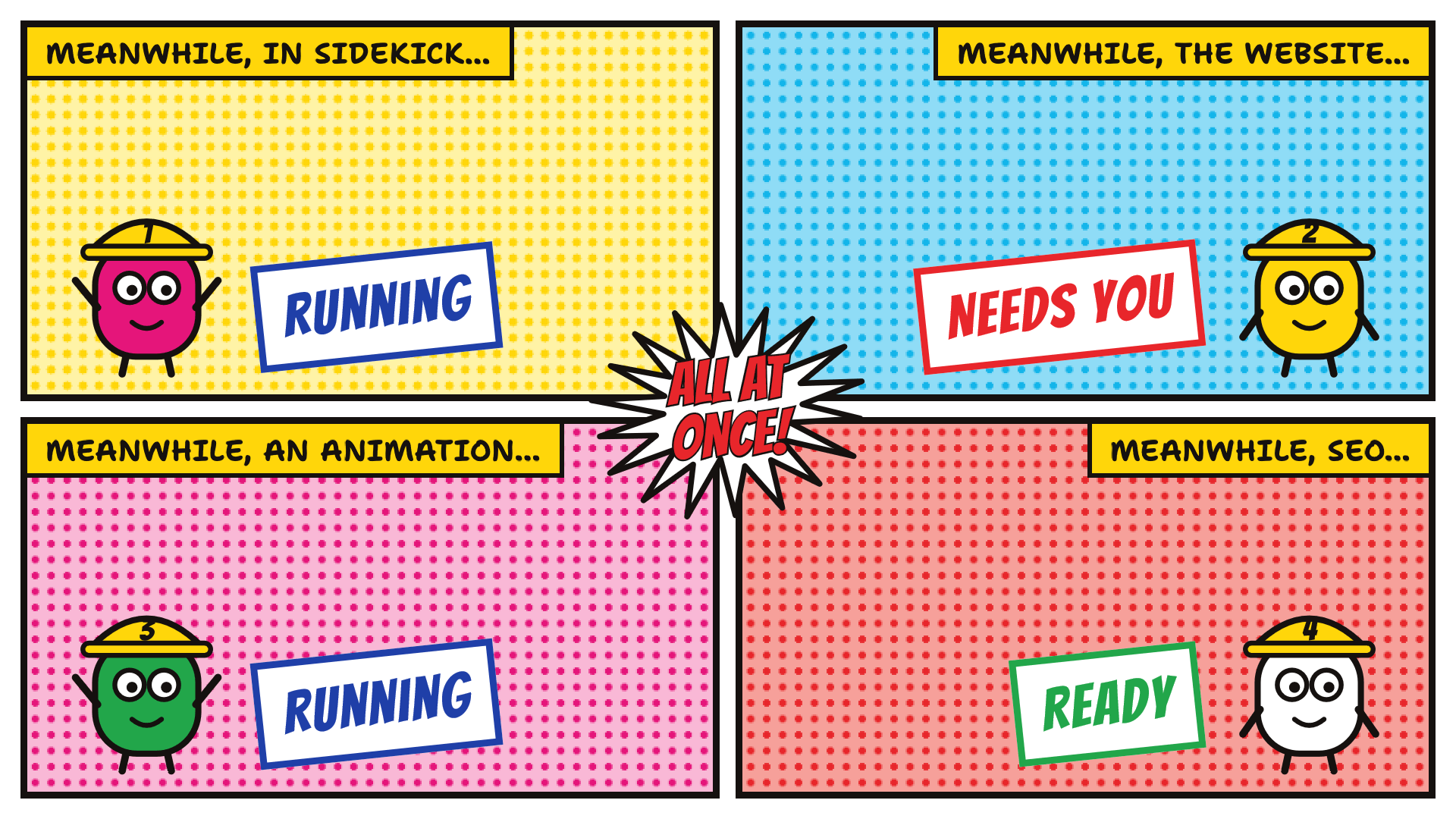
That has its own cost. The bottleneck is no longer typing speed but attention: context switching between four parallel streams of work is a skill we are still learning.
When this does not apply
- Brand and creative work. Agents gave us solid UI, but no logo we wanted. Creative identity still needs designers.
- No guardrails, no rebuild. Cheap rebuilding assumes tests, lint rules, review and a clear definition of done. Without them a fast rebuild just produces a second prototype.
- Prototypes still get oversold. Agents remove the technical reason to fear the prototype, not the organizational one. Agree up front that the explored version is thrown away or rebuilt.
- Numbers from one team. The figures in this article are from our own projects. They show what is possible, not what you should plan with.
Where we use this
We work this way on time cockpit every day: the Angular migration, the redesign of our websites and the new sidekick app all came out of it. In customer projects at software architects we set up the same building blocks for development teams that use coding agents in their own code base: context files, skills, hooks, and the tests and review loops that serve as guardrails. We call that harness engineering.
Takeaway
- Exploring is cheap now, and so is rebuilding. Build prototypes that look real, show them to stakeholders, and rebuild the one you keep.
- Give agents goals and reasons, not tactics. Put your effort into guardrails instead.
- Expect your role to shift from writing code to planning, guiding and reviewing several agents at once.
If your team wants to use coding agents like Claude Code, GitHub Copilot or OpenAI Codex this way in its own code base, let’s talk about harness engineering for your project.
